Beauty Glow Facial from Our Clinic – The Secret to Radiant, Healthy & Glowing Skin
Glowing, healthy skin is not just about using expensive skincare products at home. True skin radiance comes from ...


Call us:- +91 9637555910
Call us-+91- 9637555910
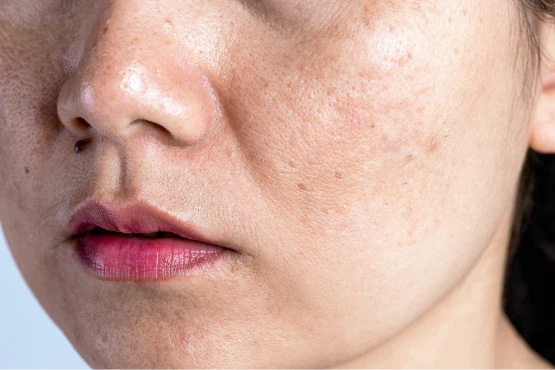
Pigmentation treatment is a key concern for many people struggling with dark spots, uneven skin tone, melasma, or acne marks. Whether caused by sun exposure, hormonal imbalance, or past breakouts, pigmentation can affect skin appearance and confidence. Fortunately, several effective and safe treatments are available today to help you regain a clear, radiant complexion.
Skin pigmentation refers to the natural coloring of the skin, determined by a pigment called melanin. When melanin production becomes excessive, it results in hyperpigmentation—visible dark patches or spots on the face or body.
Common types of pigmentation include:
Understanding the causes can help in choosing the right pigmentation treatment. Some of the most common causes include:
Topical applications are the most accessible form of pigmentation treatment. Some powerful and proven ingredients include:
These can be used in day or night skincare routines, depending on the formulation.
Chemical peels exfoliate the upper layers of the skin using acids like:
They help reveal brighter, clearer skin beneath. Chemical peels are especially effective for sunspots and mild melasma. Mild peels can be done at home, while deeper peels are performed at skin clinics.
Lasers are one of the most advanced options for pigmentation treatment. They work by breaking down melanin clusters in the skin:
Laser sessions are spaced out over a few weeks and require sun protection before and after.
These mechanical exfoliation techniques remove the top layer of skin, promoting new cell growth. They are helpful for surface-level pigmentation like acne scars or dullness.
Oral skin supplements are increasingly popular in pigmentation treatment. These include:
When used alongside topical treatments, supplements can boost results.
If you prefer gentle home-based options, these natural remedies may offer mild improvement:
Note: Always do a patch test before using any natural remedy to avoid irritation.
Treatment is only effective when supported with a good skincare routine and healthy habits. Here are some essential prevention tips:
The results vary depending on the type and depth of pigmentation. Mild spots may begin to fade in 4–6 weeks, while deeper pigmentation like melasma may take a few months and require ongoing care.
Patience and consistency are key—no treatment delivers overnight results.
Pigmentation can be frustrating, but the right combination of skincare, lifestyle changes, and professional treatments can lead to significant improvement. Whether you choose topical creams, peels, or laser procedures, it’s important to choose safe, clinically-backed solutions and maintain your skin regularly.
Protect your skin, treat it with care, and trust the process—your glow will follow.
No account yet?
Create an Account