Beauty Glow Facial from Our Clinic – The Secret to Radiant, Healthy & Glowing Skin
Glowing, healthy skin is not just about using expensive skincare products at home. True skin radiance comes from ...


Call us:- +91 9637555910
Call us-+91- 9637555910
Psoriasis is a chronic autoimmune skin condition that affects people of all ages, causing red, raised, and often scaly patches on the skin. These patches can be itchy, painful, and emotionally distressing, especially when they appear on visible areas such as the scalp, elbows, knees, or hands.
While there is no permanent cure for psoriasis, modern dermatological treatments can significantly reduce symptoms and help manage flare-ups effectively. With a tailored approach, clearer, healthier skin is possible.
Psoriasis is an immune-mediated condition that causes skin cells to multiply up to 10 times faster than normal. Instead of shedding off naturally, the skin builds up into bumpy red patches covered with white or silver scales. Psoriasis can appear on any part of the body, and its severity varies from person to person.
The most common type is plaque psoriasis, but other forms include:
Psoriasis is not contagious, but it often comes with emotional and social discomfort. Flare-ups may be triggered by stress, infections, weather changes, skin injuries, or certain medications.
Causes and Triggers
Psoriasis is caused by an overactive immune system that speeds up the skin cell life cycle. While the exact cause is unknown, the following factors can increase risk:
Understanding your personal triggers is essential for effective management and prevention of flare-ups.
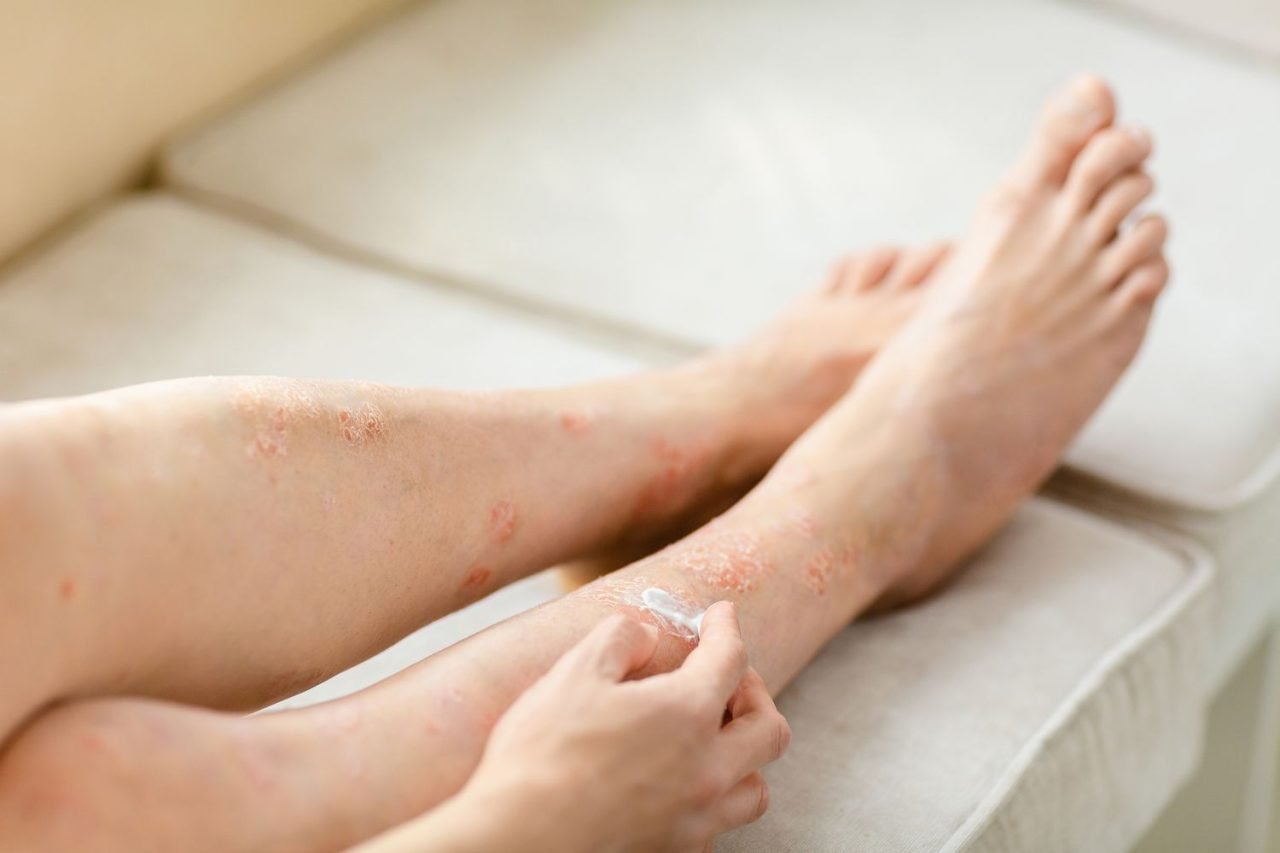
A dermatologist can usually diagnose psoriasis through a physical examination of the affected skin. In some cases, a skin biopsy may be required to rule out other skin conditions.
Early diagnosis and personalized treatment can significantly improve outcomes and reduce long-term skin damage.
Managing psoriasis involves a combination of topical care, lifestyle adjustments, and medical treatments. A dermatologist will design a personalized plan based on the type and severity of your condition.
These are usually the first line of defense for mild to moderate cases.
Topical treatments are often used in combination with other therapies for maximum effectiveness.
Phototherapy uses controlled ultraviolet (UVB) light to slow the rapid growth of skin cells. It is a highly effective treatment for moderate to severe psoriasis when supervised by a skin specialist.
Types of phototherapy:
Phototherapy is non-invasive and can lead to long-term remission with regular sessions.
For more severe or widespread psoriasis, oral or injectable medications may be necessary.
Biologics have revolutionized psoriasis treatment, offering clearer skin and improved quality of life for many patients.
While medical treatment is essential, lifestyle changes can also help manage psoriasis:
Psoriasis is a lifelong condition, but many people experience long periods of remission with the right treatment and habits. Consistency is key—irregular medication or skipping therapy can lead to flare-ups.
Regular check-ins with a dermatologist ensure your treatment plan evolves with your condition and lifestyle.
Living with a visible skin condition can affect self-esteem, confidence, and even relationships. Support groups, counseling, or simply talking to others with psoriasis can make a big difference. Remember, you’re not alone—and with the right help, clear skin and confidence are within reach.
Psoriasis may be chronic, but it doesn’t have to control your life. With personalized care, advanced medical treatments, and proactive lifestyle choices, managing symptoms becomes not just possible—but highly effective.
Whether you have mild patches or more severe flare-ups, a dermatology expert can guide you toward the right solution for clearer, healthier skin.
No account yet?
Create an Account